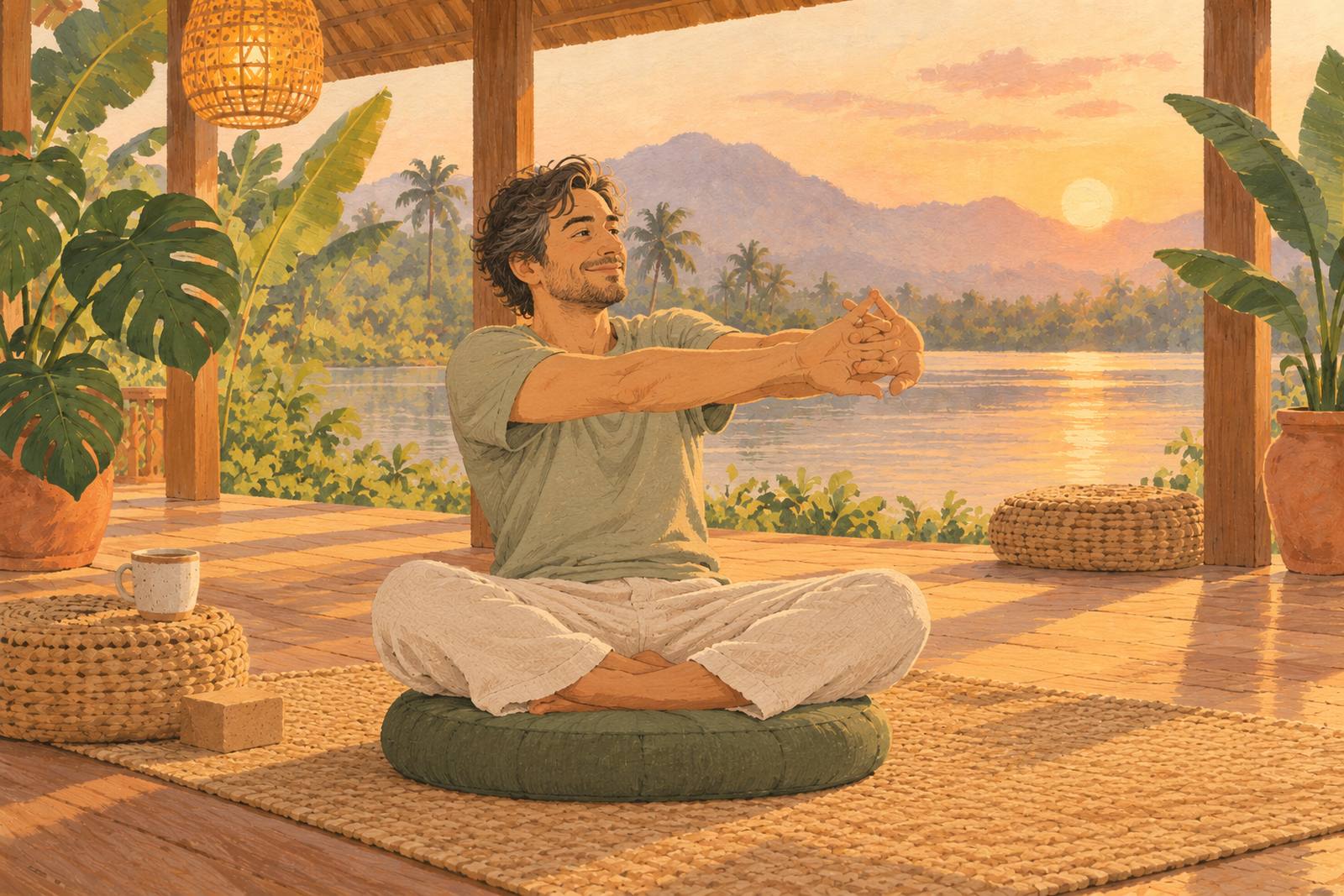
You want to feel calmer in your body, not only in your thoughts. Relaxation exercises give you simple ways to practise that: with breath, muscle release, gentle movement and rest.
In short: relaxation exercises such as slow breathing, progressive muscle relaxation and gentle movement can help bring about the body's relaxation response, easing muscle tension and calming the mind. They are practices to try, not guarantees.
The relaxation response
When you feel stressed, your body releases stress hormones. Your heart pounds, your breathing speeds up and your muscles tense (Harvard Health). The relaxation response, described by Dr Herbert Benson at Harvard Medical School, is the opposite: a state of rest that can be elicited in many ways. The US National Center for Complementary and Integrative Health (NCCIH) describes it as characterised by slower breathing, lower blood pressure and a reduced heart rate.
Experts recommend sampling several techniques to see which suits you. Harvard suggests practising for about 20 minutes a day when you can, though even a few minutes can help. Five to twenty minutes is a typical session length.
Breathing exercises
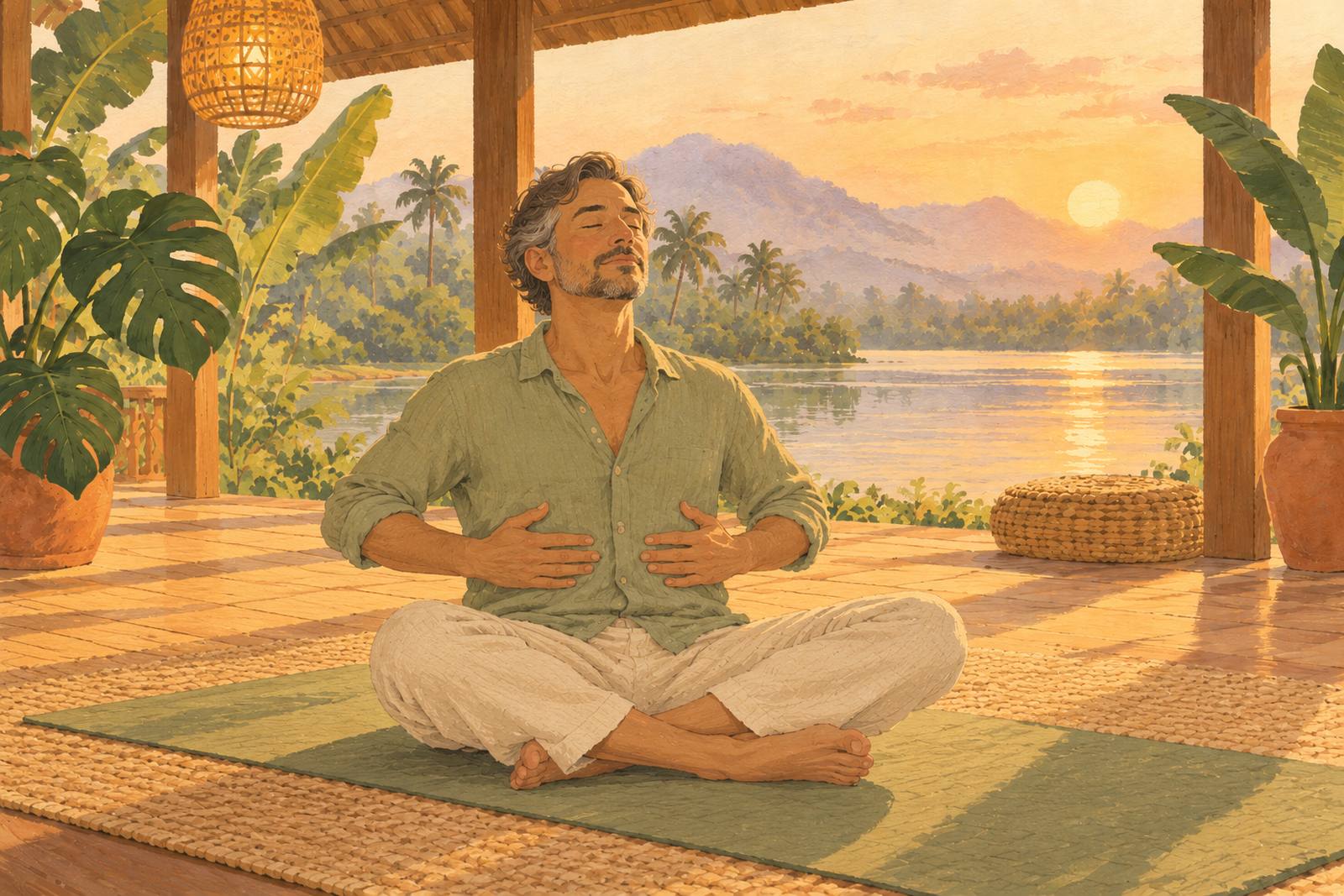
Slow breathing with a longer exhale is a simple starting point. See breathing exercises for stress.
Progressive muscle relaxation
Progressive muscle relaxation (PMR) means gently tensing and then releasing muscle groups in turn, noticing the contrast. See progressive muscle relaxation.
Mindful movement
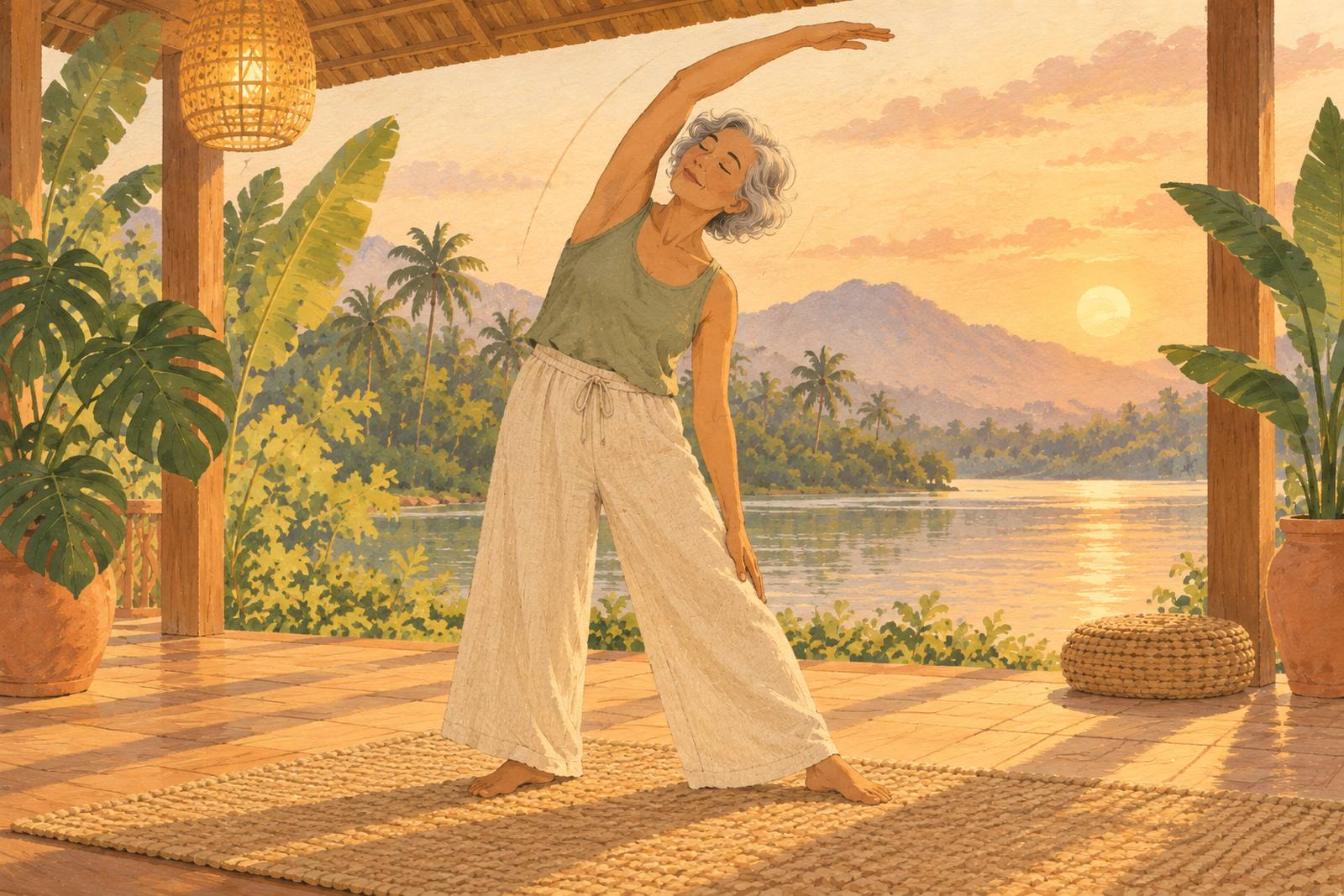
Yoga, tai chi, qigong, slow walking and other gentle movement can be done with full attention on breath and sensation. See mindful movement.
Relaxation for sleep
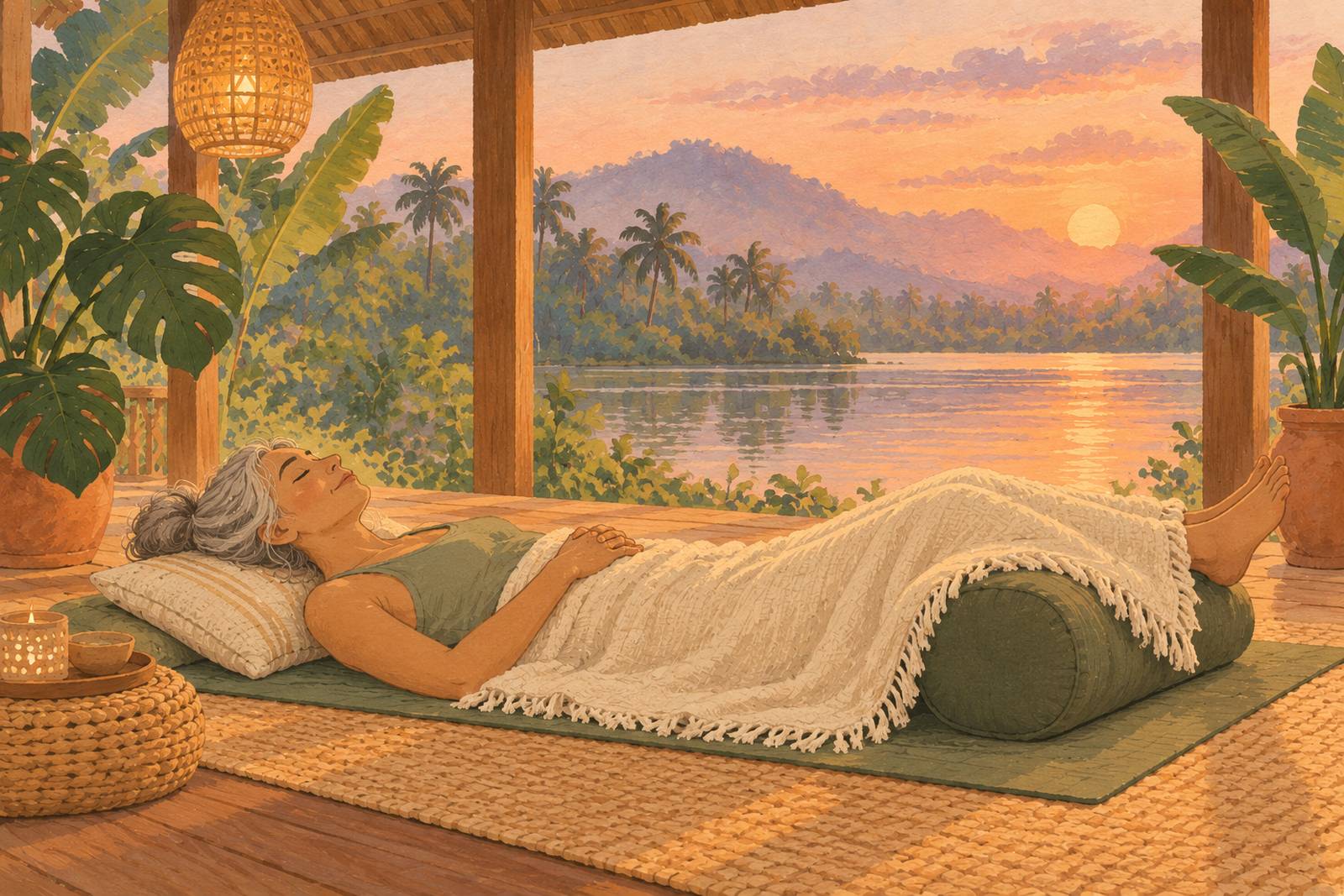
A short evening routine of breathing, muscle relaxation and a body scan may help you unwind before bed. Research on relaxation alone for chronic insomnia is limited; CBT-I is generally the first-line recommendation. See a 10-minute body relaxation routine before sleep.
If sitting still is hard
Some people feel more restless or anxious when they try to sit still. That is a documented experience. Starting with movement, then rest, can help. See can't meditate? try body-based relaxation.
NCCIH notes that relaxation techniques are generally considered safe for healthy people, though occasionally people report increased anxiety, intrusive thoughts or fear of losing control. If that happens, stop and try a different approach, or speak with a professional.
These practices are wellness education. If stress, anxiety or sleep problems are strong or lasting, please speak with a doctor or mental-health professional. Next, you might also like somatic exercises for sleep.