Nothing urgent is happening, and still you cannot settle. Sitting still makes you restless, or even more anxious. You are not imagining it, and you are not alone.
In short: after long periods of stress, many people find the body keeps scanning for problems out of habit. Relaxation becomes a skill to relearn, often starting with small, body-based moments of settling rather than forcing stillness.
Why slowing down can feel hard
Some people feel more anxious when they try to relax. Researchers have called this relaxation-induced anxiety: a spike in anxiety, muscle tension or anxious thoughts when someone is attempting to engage in relaxation. Studies have linked it to fear of losing control and fear of becoming anxious. In one small study of chronically anxious people, about one in six reported increased anxiety during taped progressive relaxation.
The US National Center for Complementary and Integrative Health notes that relaxation techniques are generally considered safe for healthy people, but occasionally people report increased anxiety, intrusive thoughts or fear of losing control.
If slowing down brings up uncomfortable sensations, that does not mean you are doing it wrong. It can mean your system is used to staying alert, and stillness feels unfamiliar.
Start with movement, then rest
Harvard Health recommends sampling several relaxation techniques to find what suits you. For many people who struggle with sitting still, a short burst of movement before rest is easier than going straight into stillness.
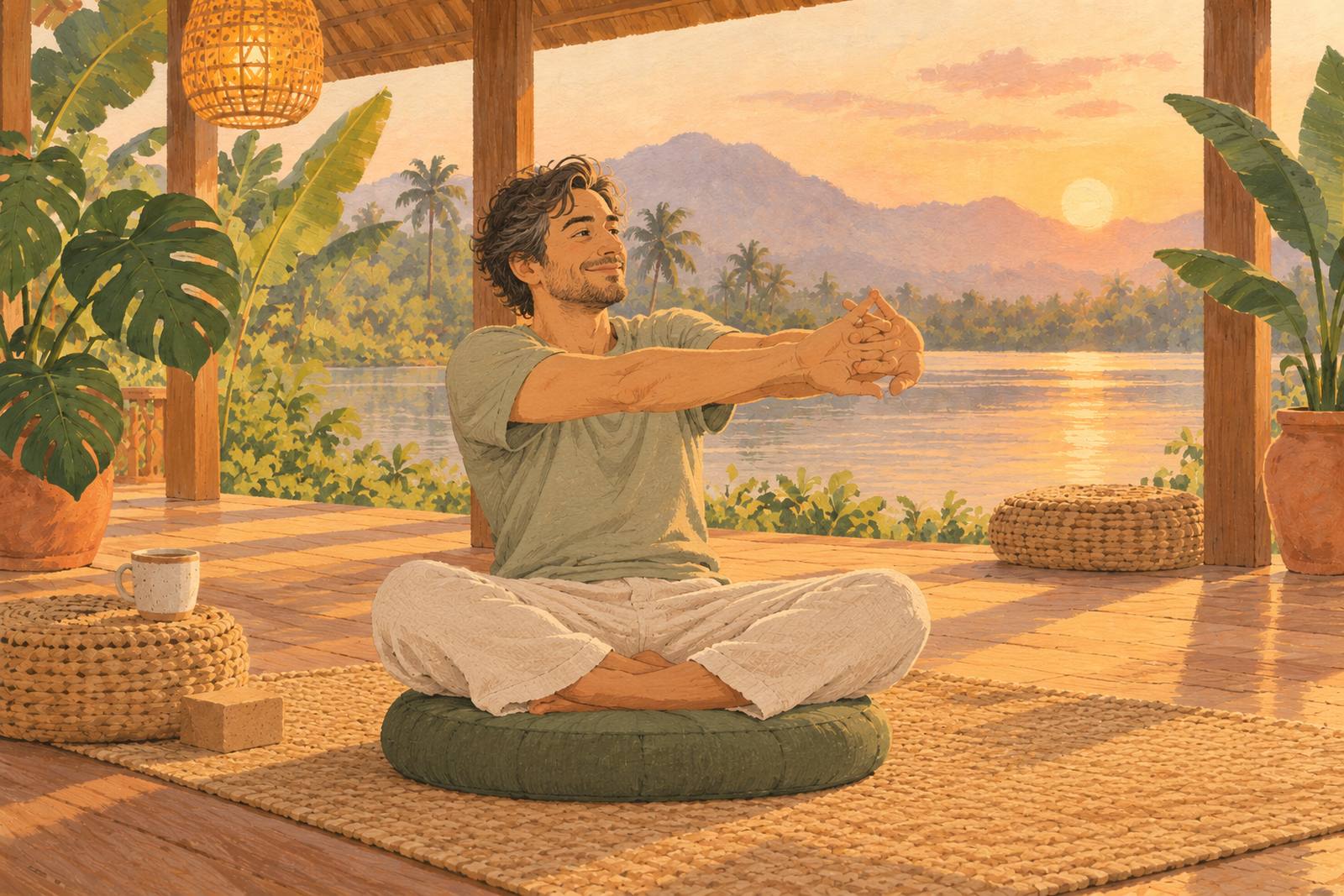
- Move (2 minutes). Shake out your hands and arms, walk around the room, or sway gently side to side.
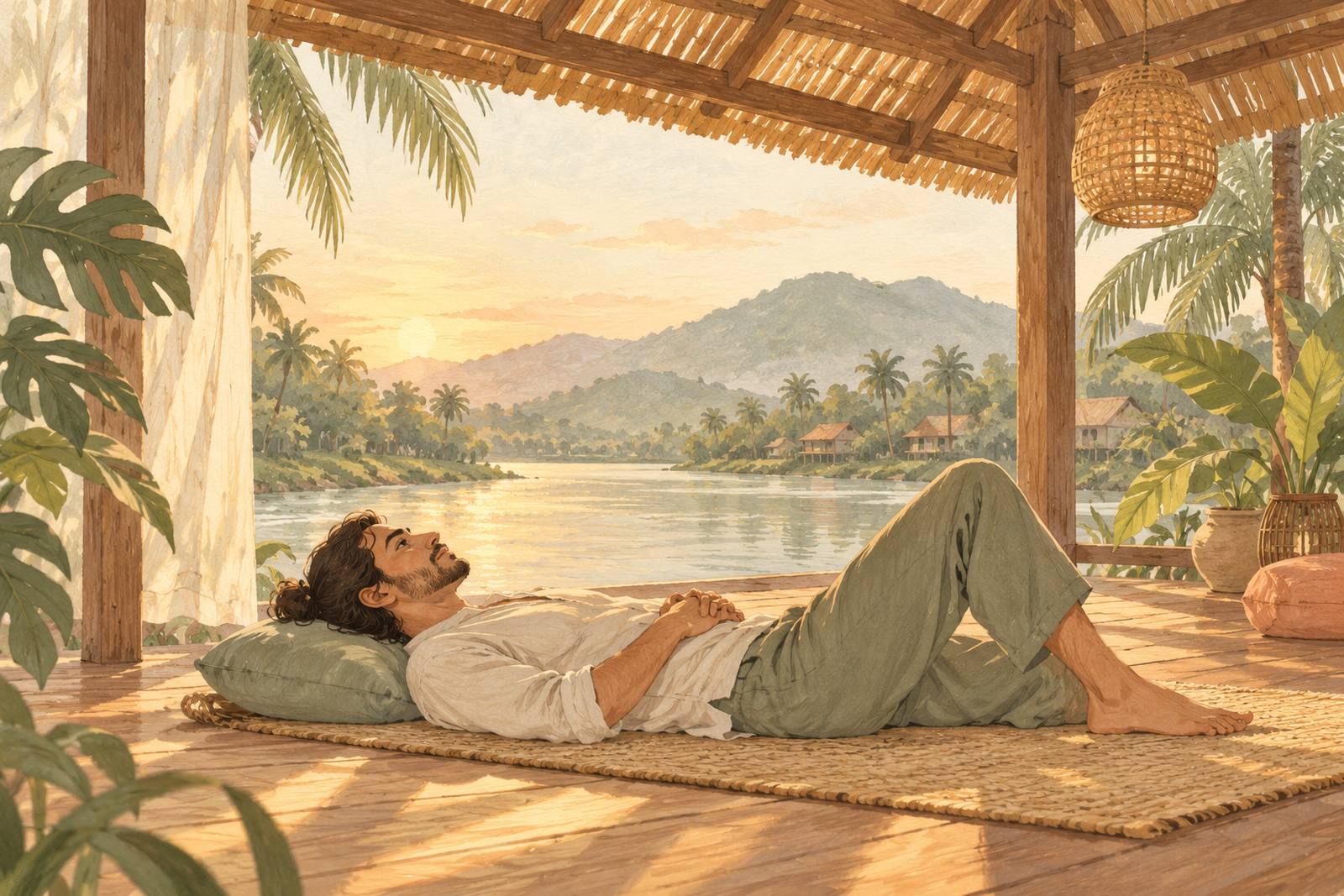
- Rest (2 to 3 minutes). Sit or lie down. Feel your feet or your back against the surface. Take a few slow breaths with a longer exhale.
- Notice. How do you feel compared with before? There is no required result.
What you might notice: a little more ease, restlessness that softens, or no change yet. How to stop: open your eyes, look around and take a normal breath.
Other gentle options
If you can never relax, and it is affecting sleep, health or daily life, speak to a health professional. These practices are wellness education and can sit alongside care, not replace it.