You want something practical: a short list of body-based exercises you can actually do when stress is high. You do not need a gym, and you do not need an hour.
In short: long-exhale breathing, shaking out, walking, progressive muscle relaxation, grounding, gentle stretching, humming and a short body scan are simple exercises that can help you feel calmer. The best one is the one you will actually do.
Before you start
Mayo Clinic notes that almost any form of exercise can act as a stress reliever, and that short bursts of movement count. Harvard Health suggests sampling several relaxation techniques and practising even a few minutes a day. If you have not exercised for some time or have health concerns, talk to a healthcare professional first and build up gradually. Stop if anything hurts.
1. Long-exhale breathing (2 minutes)
- Sit or stand with soft shoulders.
- Breathe in gently through your nose.
- Breathe out slowly, longer than the inhale. The NHS often suggests in for about five and out for about seven; find a count that feels easy.
See breathing exercises for stress for more options.
2. Shake out (1 minute)
- Stand with soft knees.
- Shake out your hands, then your arms, as if flicking off water.
- Let it travel into your shoulders and legs if that feels good, then stand still and notice.
3. A short walk (5 to 10 minutes)
- Walk at an easy pace, outdoors if you can.
- Notice your feet on the ground and your breath.
- Even a few minutes between tasks can help.
4. Progressive muscle relaxation (5 to 10 minutes)
- Tense one muscle group gently for about five seconds.
- Release and notice the difference for 10 to 20 seconds.
- Work from feet to face, skipping any area that hurts.
Full guide: progressive muscle relaxation.
5. Grounding (2 minutes)
- Press your feet into the floor and notice the contact.
- Name five things you can see, or hold something cool in your hands.
- Take a few slow breaths.
More options: grounding techniques.
6. Gentle stretching (3 minutes)
- Roll your shoulders slowly up, back and down.
- Stretch your arms overhead, then side to side within comfort.
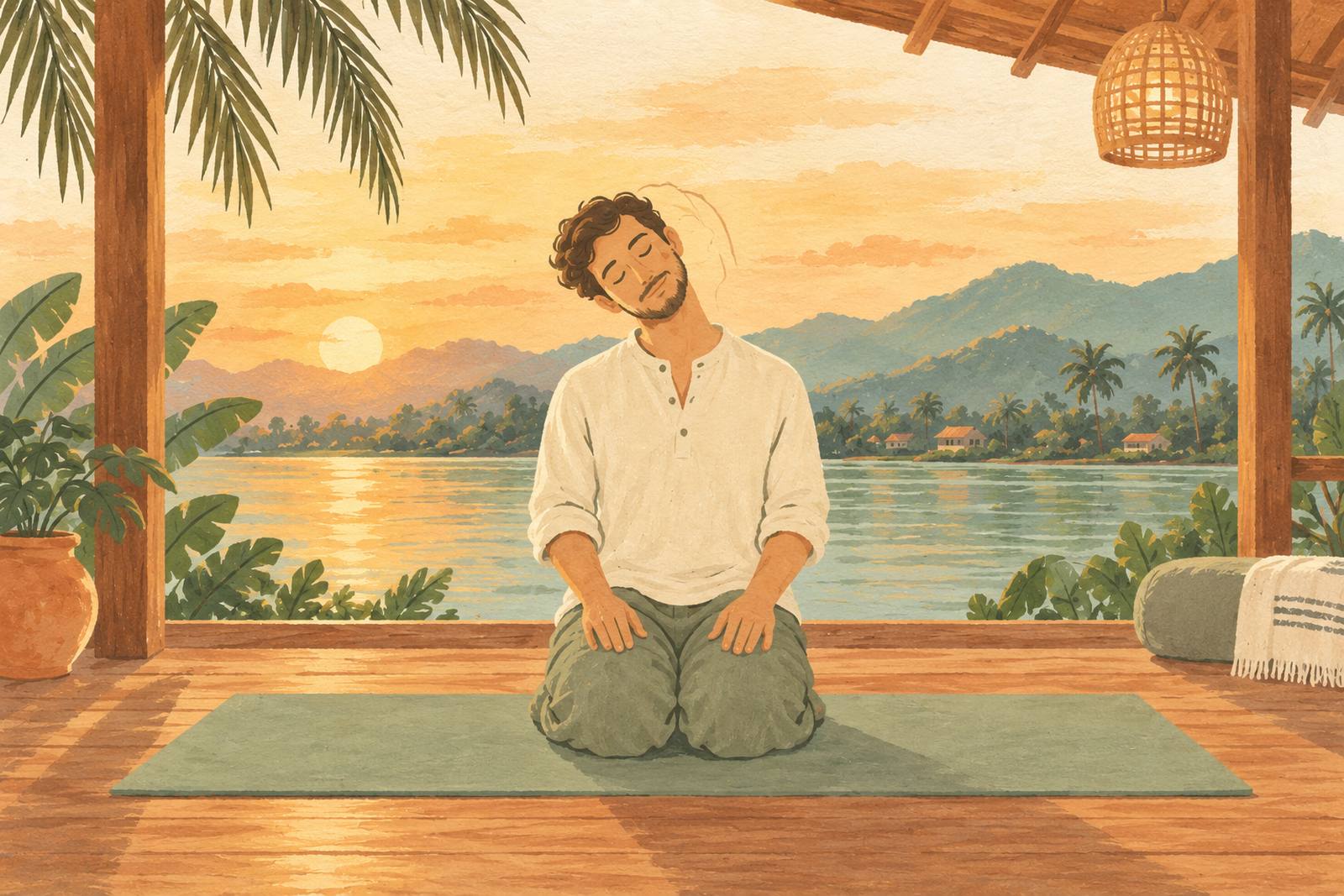
- Slowly turn your head left and right. Never force a stretch.
7. Humming (1 minute)
- Take a gentle breath in.
- On the exhale, hum softly, noticing the vibration in your chest or face.
- Repeat for a few breaths. Many people find this soothing; there is no strong research on humming alone.
8. Short body scan (3 minutes)
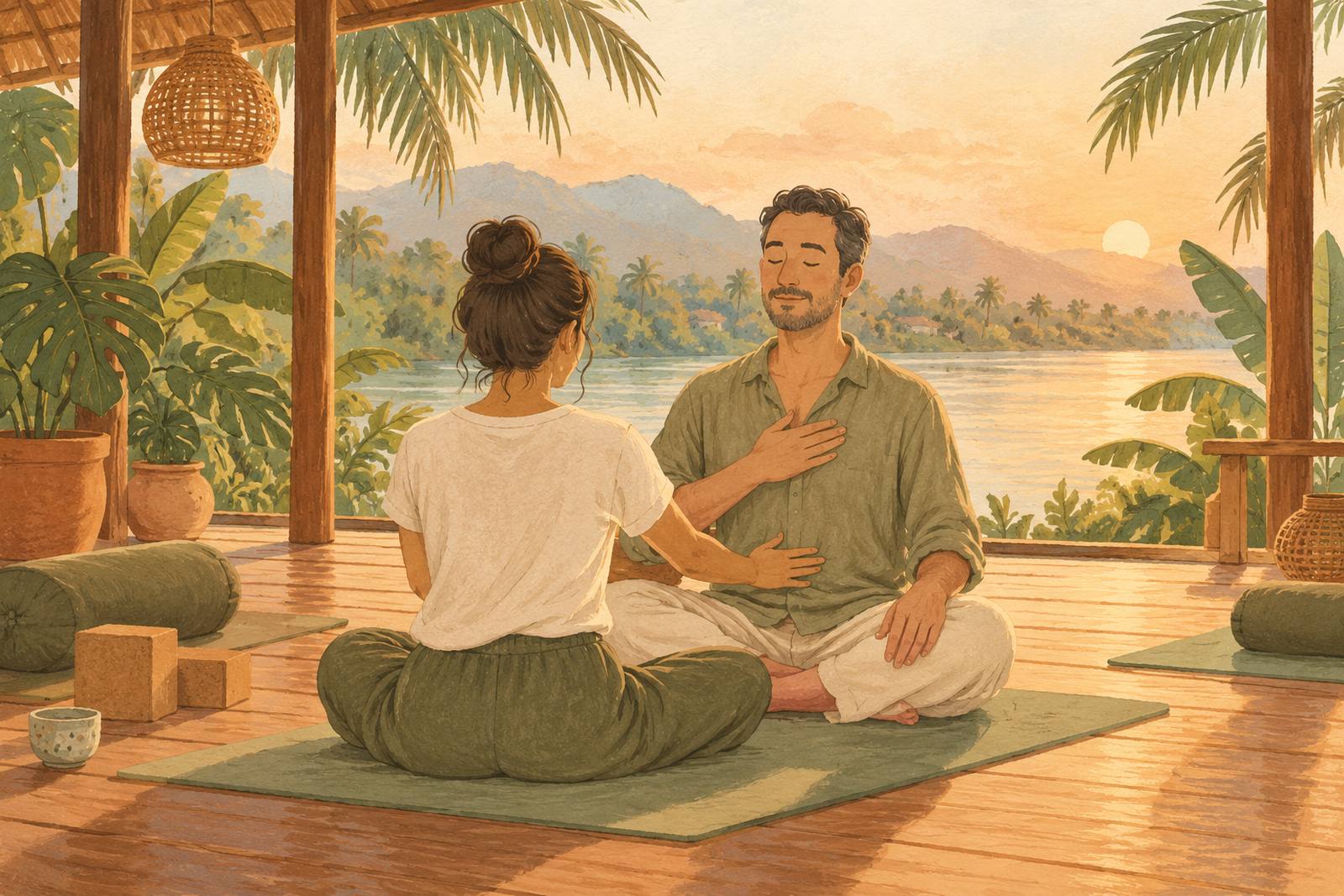
- Sit or lie down. Bring attention to your feet, then slowly up through your body.
- Notice warmth, tension or nothing at all, without trying to change it.
- Finish with one slow breath.
What you might notice: a softer jaw or shoulders, a slower breath, or very little at first. All of these are normal. How to stop: pause whenever you wish, open your eyes and look around the room.
A short combined routine
If you only have five minutes: long-exhale breathing (1), shake out (1), shoulders and neck stretch (1), feet on the floor (1), rest and notice (1).
Very intense exercise when you are exhausted can add strain. On stressful days, gentle movement is often kinder. For a guided short option, try the 5-minute stress release, or go deeper with somatic exercises for stress.
These practices are wellness education. If stress is overwhelming or lasting, please speak with a doctor or mental-health professional.