You keep seeing TRE® mentioned alongside shaking, stress release and "nervous system" work, and you want a clear explanation before you try anything. That is a good place to start.
In short: TRE® (Tension & Trauma Releasing Exercises) is a body-based practice developed by Dr David Berceli. Simple exercises invite the body's natural tremor, which many people use to release stress and tension. Research on TRE® is still preliminary.
What TRE® is
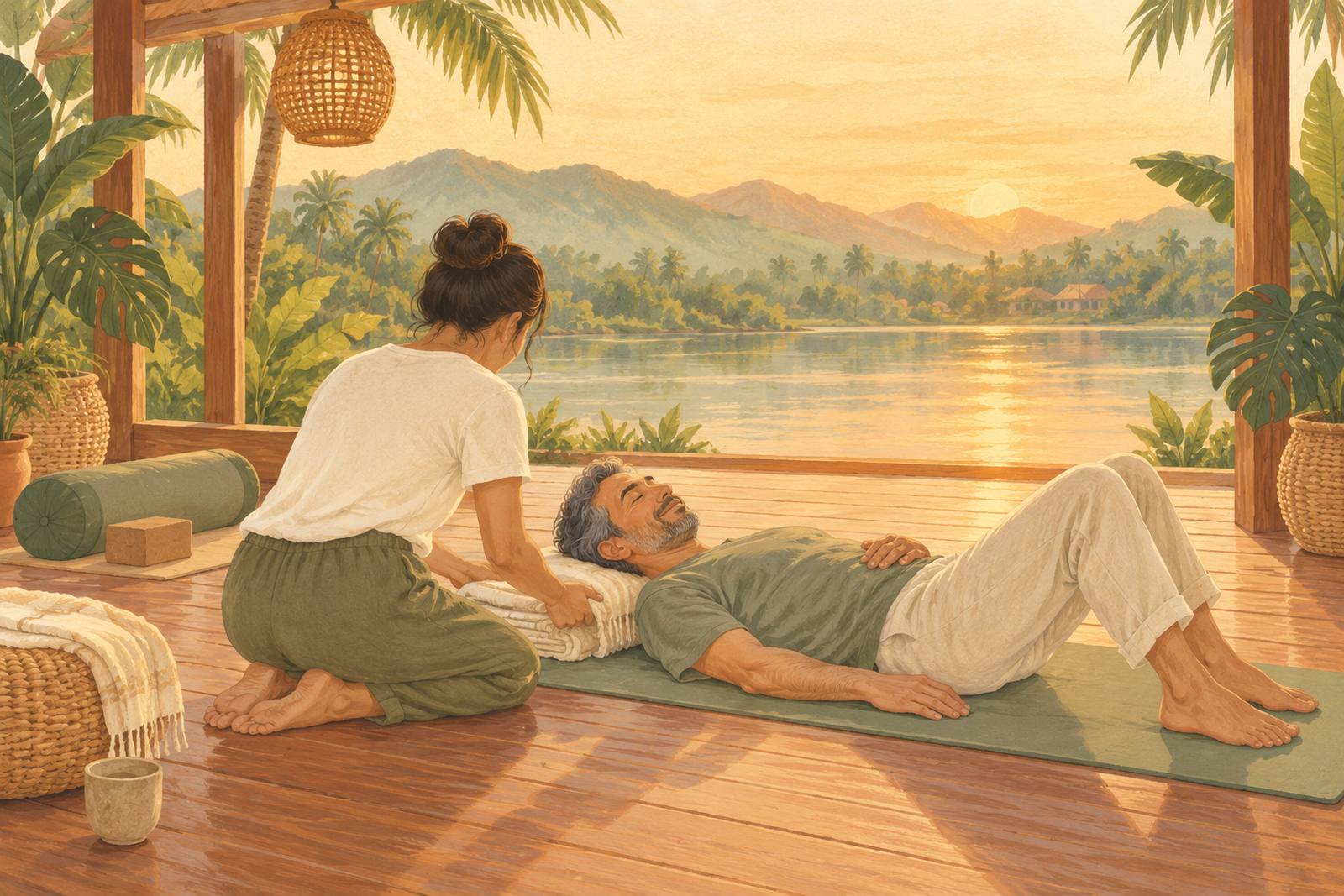
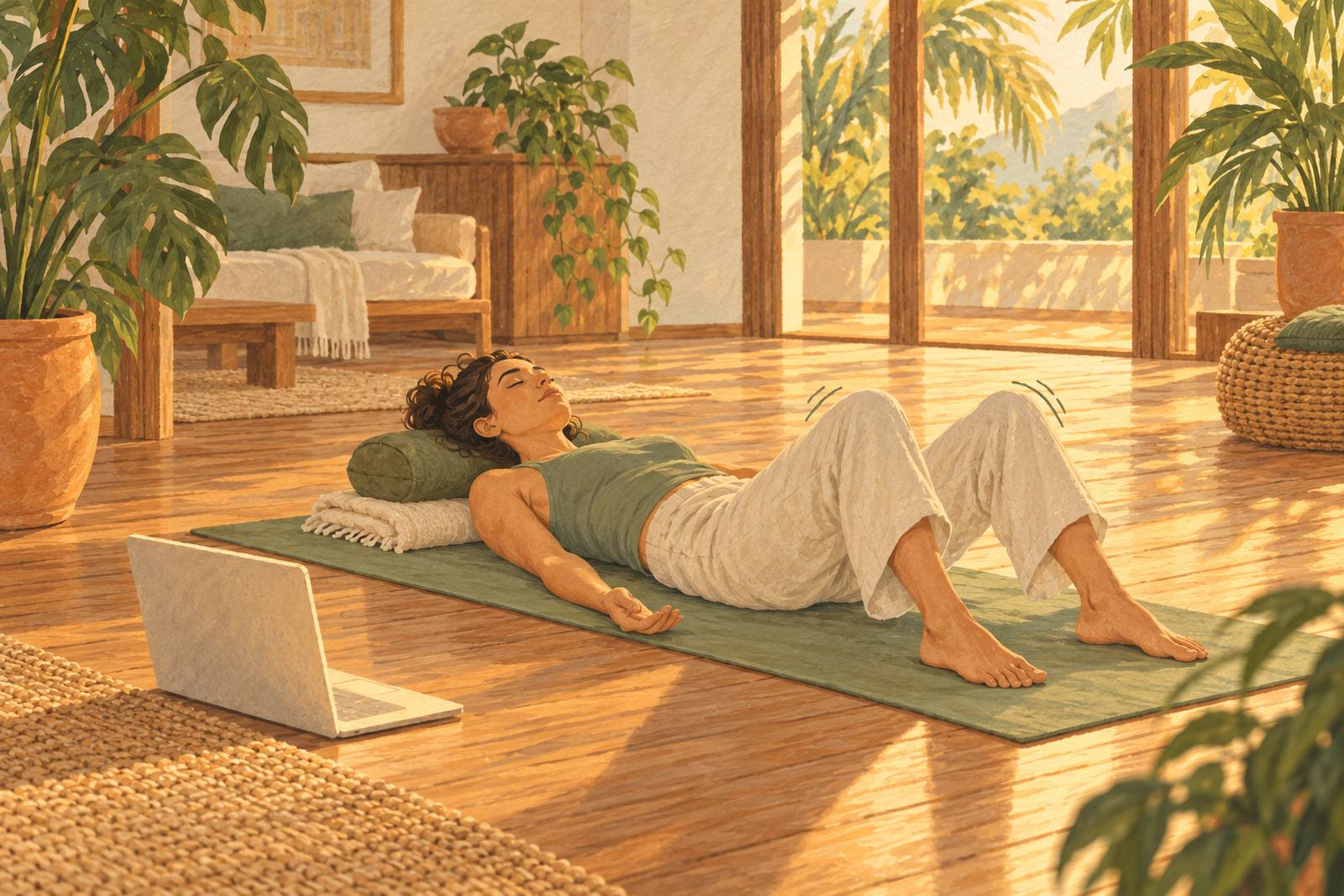
TRE® stands for Tension & Trauma Releasing Exercises. It is a body-based practice: a short sequence of gentle exercises followed by a natural, involuntary shaking or trembling response that can arise in the muscles. With guidance, you learn to notice sensations, work within your limits, and start, slow, pause or stop the tremor.
Rather than focusing mainly on talking about experiences, TRE® brings attention to what is happening in the body. There is no right or wrong way to experience it. Everyone's response is different. See what is TRE®? for a fuller introduction.
How TRE® works
The exercises gently tire muscles in the legs and hips. Afterwards, a natural tremor can arise, often starting in the legs. Practitioners describe this as a way for the body to let go of habitual muscular tension. Claims that specific muscles "store" trauma are not established. For more detail, see how TRE® works and TRE® exercises.
TRE® is different from simply shaking on purpose. Voluntary shaking is something you do; TRE® invites a tremor that can continue on its own while you stay in charge of pacing. See TRE® shaking.
What research says
A 2026 scoping review identified 22 TRE® studies reporting potential benefits for stress-related outcomes, while noting that study designs were not consistently rigorous and more research is needed. TRE® should not be called proven, and it is not a replacement for trauma therapy or medical care. See TRE® research.
Safety and who should take care
TRE® is gentle for most people when learnt with a provider. Take extra care, and seek medical advice first, if you are pregnant, have recent injuries or surgery, epilepsy, a heart condition, a serious mental-health condition or a significant trauma history. See is TRE® safe?.
Learning TRE®: online, groups and private sessions
Many people learn online. If you are unsure how your body responds to emotional activation, a private introduction is usually a gentler starting point than a group. Camille offers a one-hour online introduction, small group sessions (90 minutes, up to four people) and longer programmes. See online TRE® and sessions and programmes.
TRE® was developed through work with people affected by war and trauma, and has been used with veterans and others living with high stress. It is not a proven PTSD treatment. If stress or trauma is affecting your life, please speak with a doctor or mental-health professional. These pages are wellness education and can sit alongside care, not replace it.
When you are ready, start with what is TRE®? or TRE® for beginners.