Stress has settled into your body: tight shoulders, shallow breath, a restless feeling that will not switch off. You have tried thinking your way out of it, and you are looking for something that works with the body instead.
In short: stress often shows up as muscle tension, shallow breathing and restlessness. Gentle movement, slow breathing and rest can help your body settle out of stress mode.
Stress in the body: what it feels like
When you feel stressed, your body releases stress hormones. Your heart pounds, your breathing speeds up and your muscles tense (Harvard Health). The American Psychological Association describes muscle tension as almost a reflex reaction to stress: the body's way of guarding against injury and pain.
Common places people notice it include the neck, shoulders, head and back, the jaw, and the stomach. The NHS lists physical signs of stress such as stomach problems, stress headaches and other odd pains, including muscle pain. For a closer look, see where stress shows up in the body.
Why thinking alone doesn't always help
Thoughts matter, and talking things through can help a great deal. Sometimes, though, the body stays braced even when you understand what is going on. Your jaw is still clenched, your shoulders are still raised, and telling yourself to "just relax" does not land.
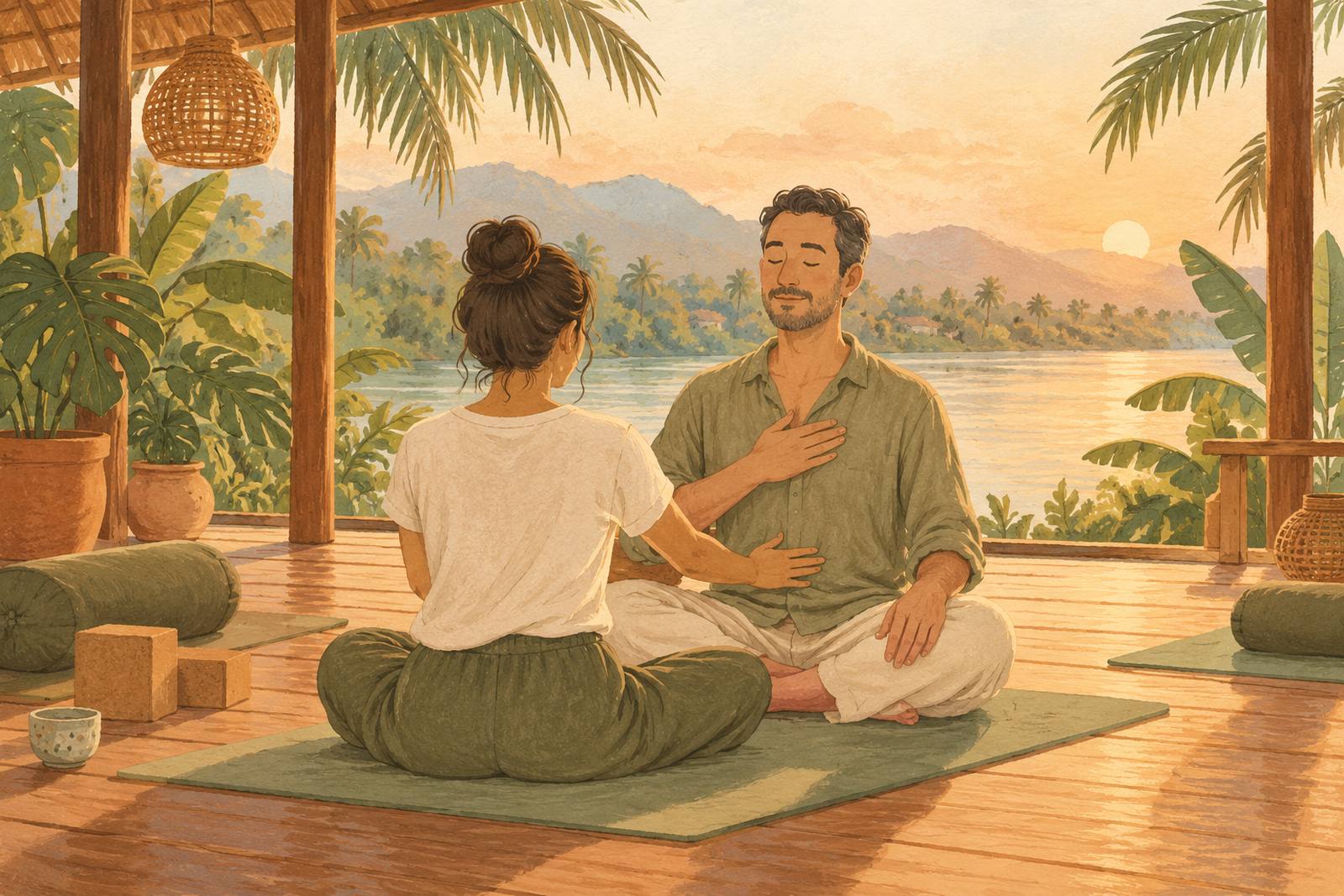
That is where body-based approaches come in. They work through breath, movement and sensation rather than mainly through reasoning. They are not better than talking approaches, just different, and many people benefit from both. See body-based stress relief.
Quick body-based stress relief
You do not need special equipment or a long session. A few minutes can help, and Harvard Health notes that even brief practice of relaxation techniques can be useful, with about 20 minutes a day as a guide when you can manage it.
- Slow breathing with a longer exhale. See breathing exercises for stress.
- Gentle movement such as a short walk or a shake out. Mayo Clinic notes that almost any form of exercise can act as a stress reliever, and short bursts count.
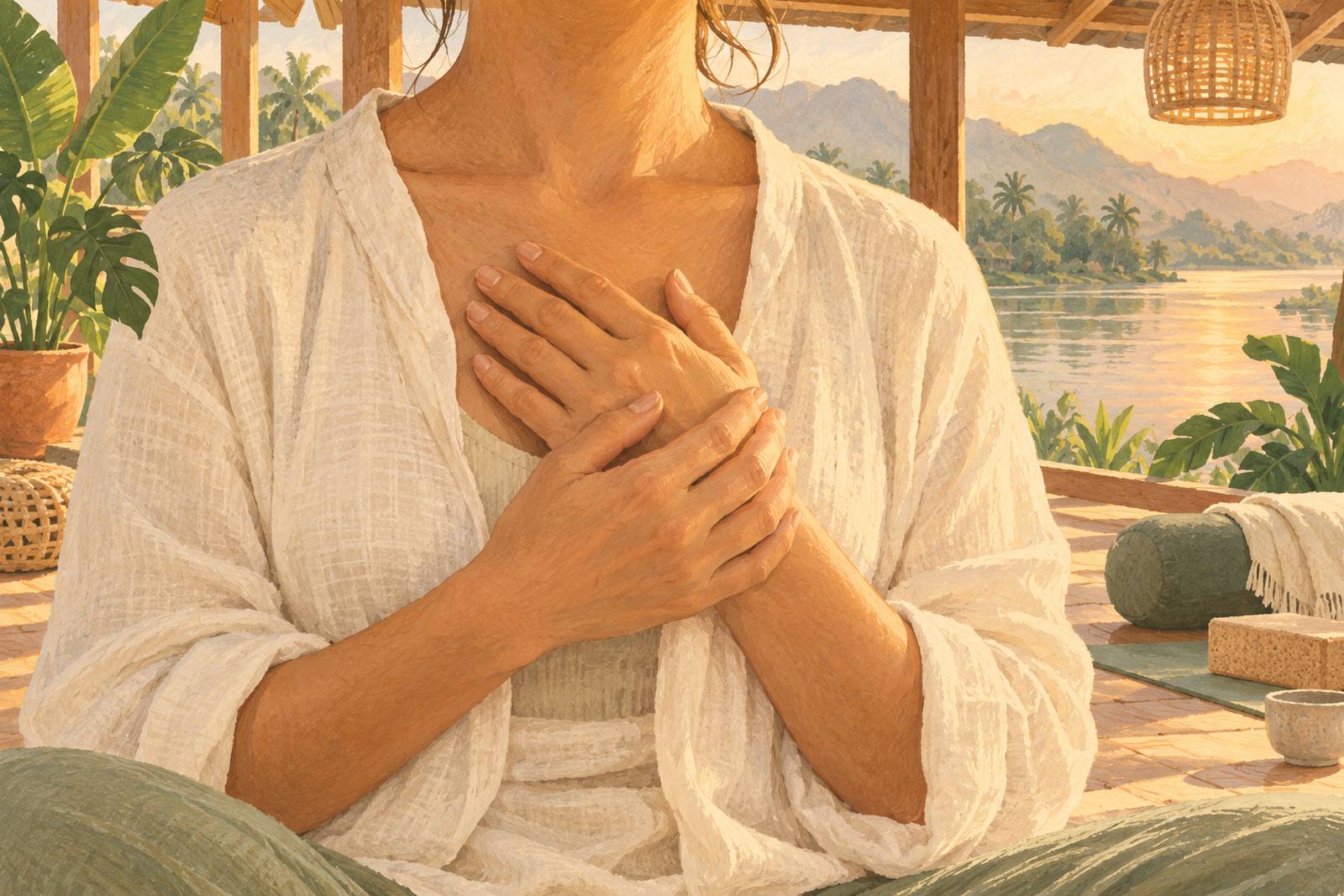
- Grounding through your feet, hands and senses. See grounding techniques.
- A short body-based routine such as our eight stress relief exercises or the 5-minute stress release.
Releasing chronic tension
With brief stress, muscles usually tense and then release when the stress passes. With ongoing stress, they can stay partly guarded. That is one reason tension in the jaw, neck and shoulders can feel constant.
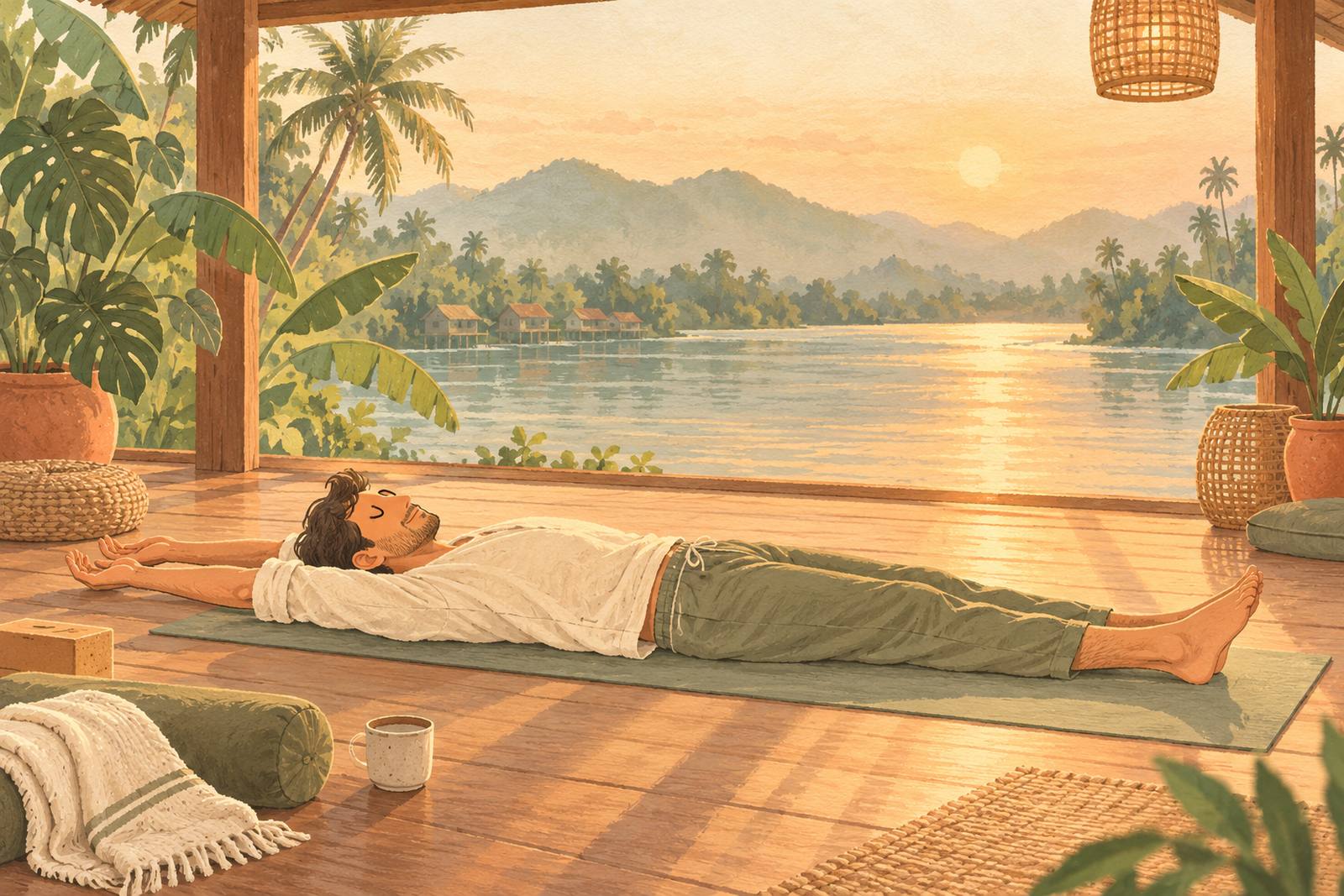
Slow, aware movement, progressive muscle relaxation and rest can help you notice and ease that bracing. Start with how to release tension from your body and why stress creates muscle tension.
Burnout and long-term stress
The NHS notes that long-term or severe stress can lead to physical, mental and emotional exhaustion, often called burnout. The World Health Organization classifies burnout as an occupational phenomenon, not a medical condition. Recovery usually needs real rest and changes to workload, and gentle body-based practices can support you alongside that. See burnout recovery and wired but tired.
Deeper practices: somatic shaking and TRE®
Some people want to go further with movement and tremoring. You can explore somatic shaking or read an introduction to TRE®. Research on TRE® is still preliminary, and it is not a replacement for professional care.
If stress feels overwhelming, if tension comes with pain that does not ease, or if you are living with the effects of trauma, please speak with a doctor or mental-health professional. These practices are wellness education and can sit alongside care, not replace it.
When you are ready, try somatic exercises for stress.